
|
Share to:

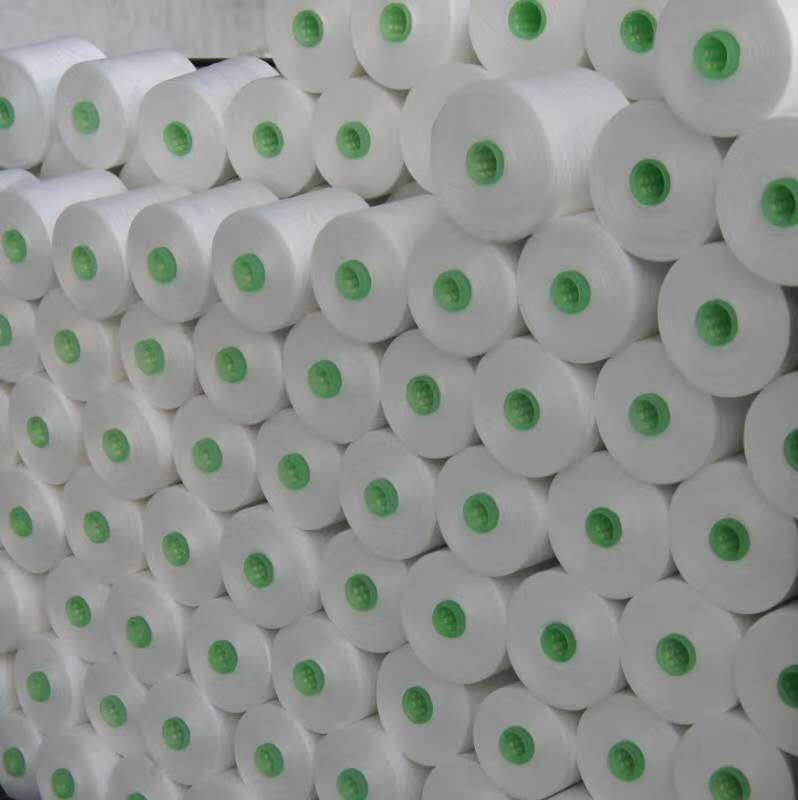


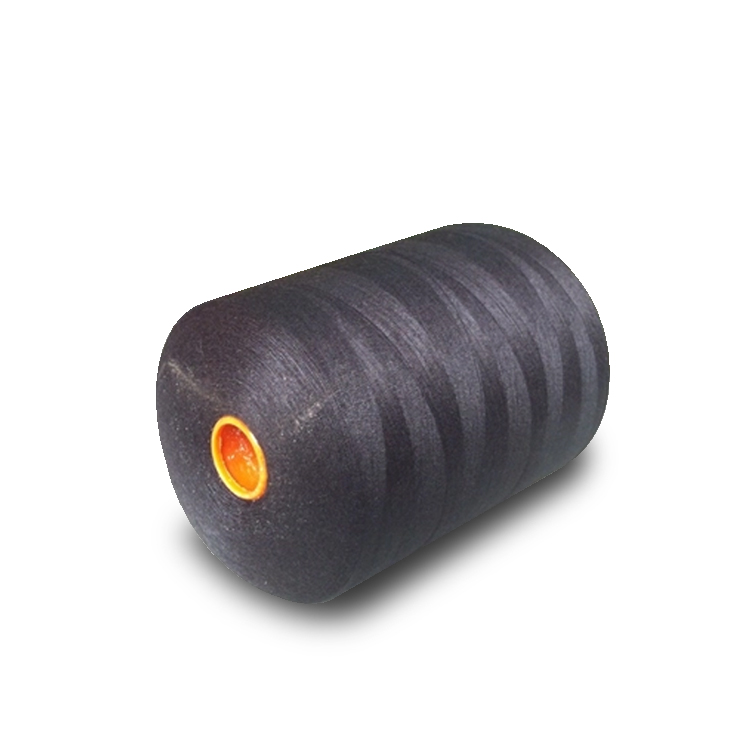
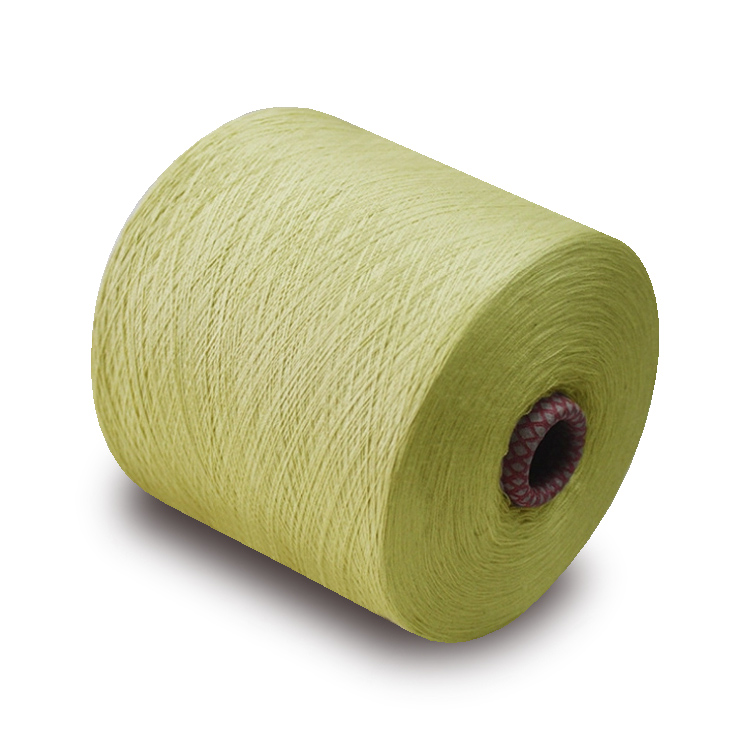
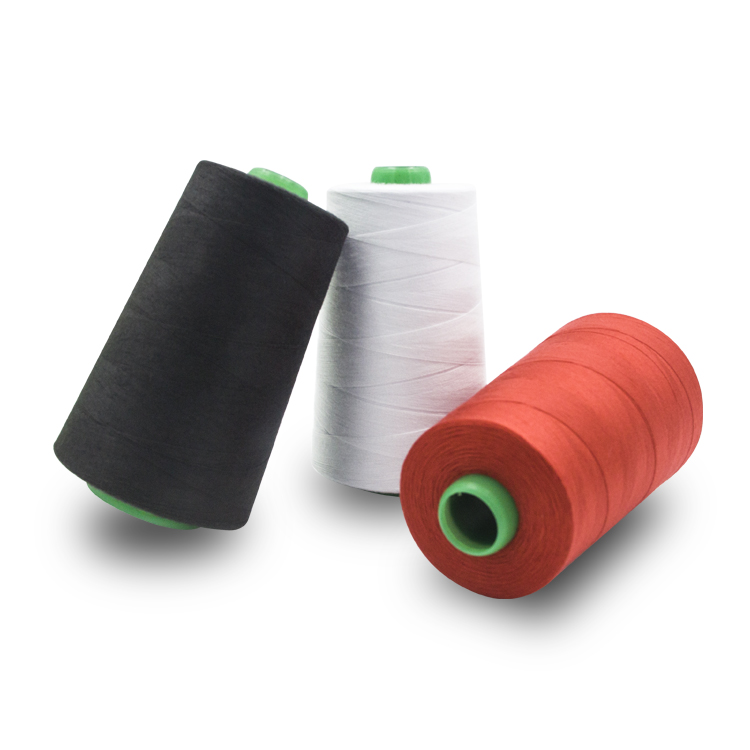
100% polyester dyed spun yarn
LQ-0412
Price: From $0.66
Delivery time: 9-20 days after payment
MOQ: 500KG
100% polyester dyed spun yarn
Study on leveling agents for dyeing and printing dyes
How to avoid unevenness in the process of printing and dyeing is one of the important indexes of printing and dyeing process quality. Leveling agent is a kind of auxiliary used to make the dye evenly dyed on the dyed material. One of the functions of leveling agent is enough to make the dye absorbed by the fiber slowly, and then when the dyeing is uneven, the dark part of the dye moves to the light color part, and finally reaches the level dyeing. Therefore, slow dyeing and transfer dyeing are the two most important functions of leveling agent.
In recent years, all kinds of new fibers have been widely used in the printing and dyeing industry. At the same time, with the gradual improvement of people's awareness of environmental protection, all kinds of leveling agents have been developed. In this paper, the development of reactive dyes used in fiber dyes and leveling agents for disperse dyes are reviewed, so as to better promote the research work of leveling agents in China.
1、 Leveling agent for reactive dyes

At present, reactive dyes account for the largest proportion of cellulose fiber dyeing. Water soluble dyes containing reactive groups can chemically combine with macromolecules of cotton, wool and silk, so the soaping and rubbing fastness of dyed fabrics are very high. The commonly used leveling agents are non-ionic surfactants. In addition to ionic surfactants, anionic leveling agents and the mixtures of non-ionic and anionic surfactants are often used in recent years.
1. Nonionic surfactant
The hydrophobic groups of commonly used 1F ionic surfactants can be higher alcohols, higher fatty acids, higher alkyl amines, etc. the hydrophobic groups are more than C12, and the long-chain alkyl of C16 and C18 is more ideal, which can form ether binding, ester binding, amine binding and other forms of connection with the hydrophilic groups of polyoxyethylene.
The commonly used leveling agents, such as 0, 102 and OP, have a certain leveling effect on the dyeing part of reactive dyes. Because of the polyoxyalkyl ether in the molecular long chain of this kind of leveling agent, it can form loose oxygen bond with hydroxyl (- OH) and amino (- NH) groups in dye molecules. On the one hand, it will combine with the dye to form a relaxed complex in the dye solution, which hinders the adsorption and dyeing of the dye, thus playing a role in retarding the dyeing; on the other hand, it can enhance the interfacial and full migration of dyes, and further promote the uniform adsorption of dyes. For example, we is a kind of fatty amine polyoxyethylene ether, which belongs to non-ionic / weak cationic type. It is mainly used as leveling agent for wool dyeing with reactive dyes. It can increase the color delivery. It can be used in medium, neutral, weak acid and metal complex dyes.
2. Anionic surfactant
Anionic disperse leveling agent is a kind of dye affinity leveling agent. Anionic surfactant has the same ion type as reactive dye. The mechanism of preemption is used to slow down the dye uptake. Eder is a new type of anionic leveling agent, which is composed of aromatic polyether sulfonates. Its advantages are as follows
(1) The leveling agent Eder has a certain chelating, dispersing and regulating function to calcium, magnesium and other heavy metal ions to improve the quality of the dyed fabric; (2) in the stage of |: dyeing and adsorption, it has excellent retarding performance and controls the uniform dyeing adsorption of the dye; (3) in the fixation stage, buffer the pH value of the dyeing bath to ensure the stable and uniform fixation of the dye and avoid uneven fixation; (4) it has no adverse effect on the color fastness of the fabric.
3. Compound of nonionic and anionic surfactants
Nonionic surfactants can obtain the retarding effect by combining the oxygen atoms on the polyoxyethylene bond and dye molecules with oxygen bonds.
2、 Leveling agent for disperse dyes
1. Polyester fabric
Disperse dyes have good levelness and high color fastness. At present, disperse dyes are mostly used in polyester dyeing process at high temperature and high pressure, but it is difficult to color dark dyes and cause environmental pollution.
Product development is the most active research topic in textile industry in recent 20 years. It is suggested that proper leveling agent should be added to the dyeing bath to enhance the level dyeing. Leveling agent should have the following conditions: (1) good retarding effect; (2) good migration effect; (3) good dispersion, especially at higher temperature (such as 80-120 ℃); (4) no influence on dye uptake and shade; (5) good stability of hard water and various heavy metal ions. For example, the leveling agent RDP = 2000 is a kind of non-ionic and anionic leveling agent, which is composed of polyols and aromatic acids and then mixed with emulsifier. Rdp-2000 has strong permeability and migration, which can improve the high temperature dispersion of disperse dyes to a certain extent. The advantages are as follows: (1) simple application and good effect; (2) wide process adaptability; (3) effective inhibition of tar spots and color spots; (4) no adverse effect on the shade and fastness of dyes. A new high temperature leveling agent WYR-1 for polyester was developed by using sodium dodecyl benzene sulfonate, sodium dodecyl polyoxyethylene ether sulfate, polyoxyethylene (7) glyceryl palmitate and surfactant wyr. The property test and application show that wyr-l has good dispersibility, levelness, migration and dye uptake. Its bubble point is low and its cloud point is higher than 100 ℃.
Leveling agent plays an essential role in the dyeing process of polyester yarn.