

|
Share to:
Related Products


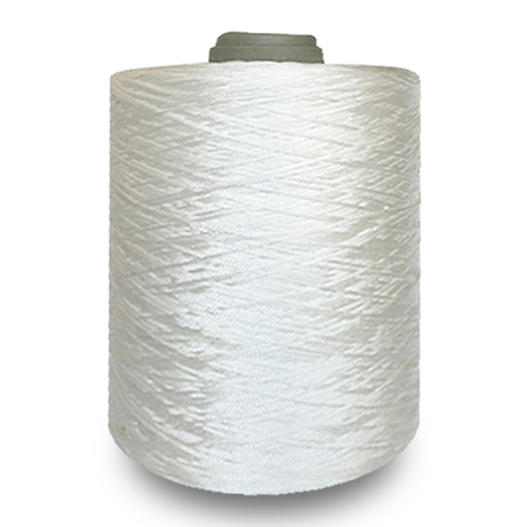
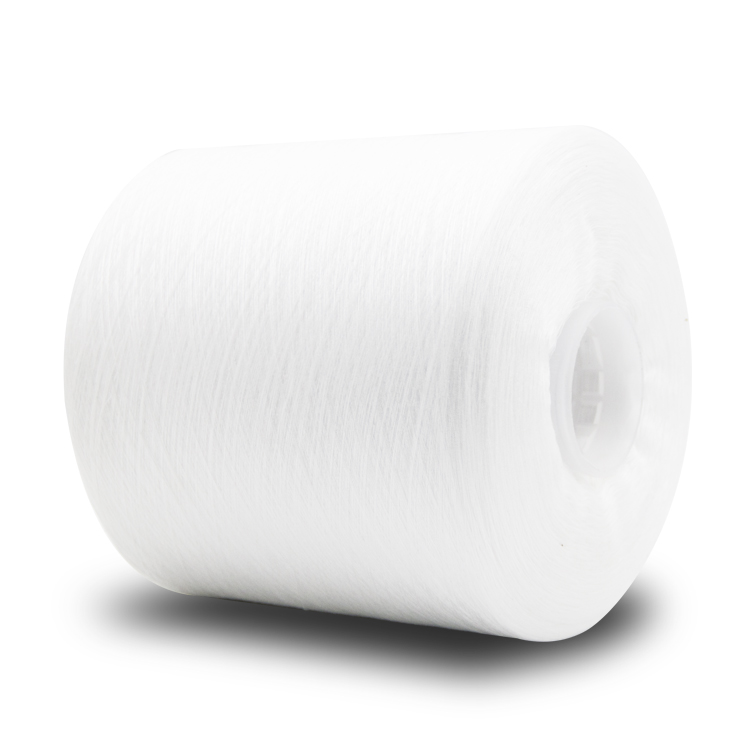
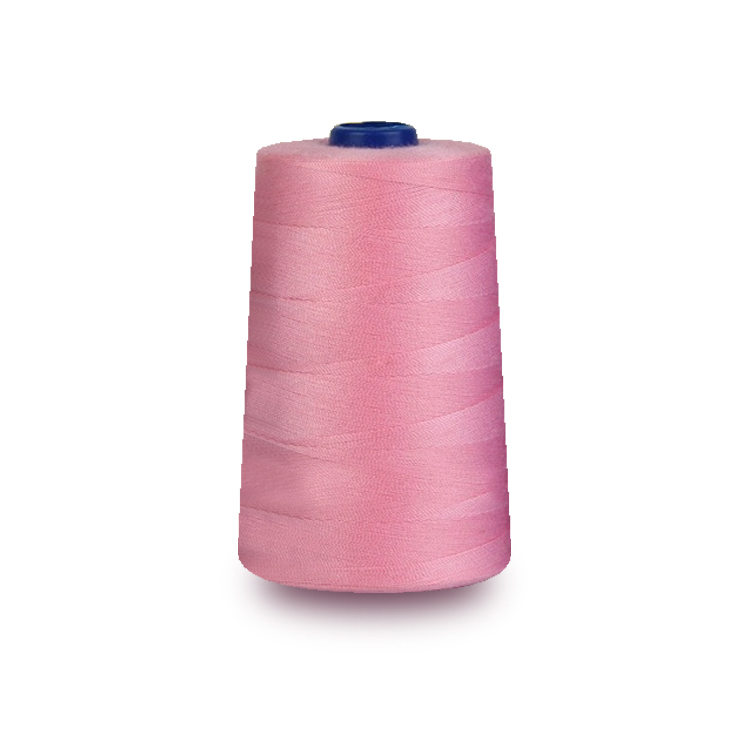
20s/4 Manufacture Supply Spun Polyester Yarn Wholesale
LQ-0412
Price: From $0.66
Delivery time: 9-20 days after payment
MOQ: 500KG
20s/4 Manufacture Supply Spun Polyester Yarn Wholesale
Properties and functions of common yarn
The properties of yarn are determined by the fiber properties and yarn structure of the constituent yarn. Fiber properties have been described before. Here, the structure characteristics and wearability of yarn are introduced.
Twist of yarn

Twisting is one of the purposes of spinning, and the number of twists is an important index to measure the yarn performance, which is generally represented by twist (as shown in the figure). Twist refers to the number of twists per unit length of yarn (that is, the number of spirals). The unit length varies with the type of yarn. The unit of measurement can be expressed as "twist / 10cm" or "twist / M". The former is used for cotton and cotton type chemical fiber yarn, and the latter is used for the twist measurement of worsted yarn and chemical fiber filament yarn. Twist affects the strength, rigidity, flexibility, elasticity and shrinkage of yarn. With the increase of yarn twist, its strength increases, but the twist cannot exceed a certain value, otherwise its strength will decrease, which is called the critical twist of yarn. The critical twist of yarns with different materials is different. The softness, elasticity and shrinkage of yarn are closely related to twist. Generally, on the premise of meeting the strength requirements, the smaller the twist of the yarn, the better, because the increase of twist will make the handle of the yarn hard, the elasticity will decrease, and the shrinkage will increase, which is the reason why the filament yarn is generally not twisted or less twisted. In addition, twist also has an effect on the volume weight and diameter of the yarn, and the twisting effect increases the tightness of the yarn. In a certain range, the volume and weight of the yarn increase with the increase of twist, and the diameter of the yarn decreases with the increase of twist, so that the coverage and comfort of the fabric change.
In short, yarn twist should be selected according to different fabric uses. For example, warp yarn needs to have higher strength and twist should be larger; weft yarn and knitting yarn need to be soft and twist should be smaller; woven and knitting fleece fabric needs to have smaller twist to facilitate fleece; thin and crisp crepe fabric needs to be smooth, stiff and crisp, and twist of yarn should be larger.
2. Twist pattern of yarn
The twisting direction is called twisting direction, that is, the inclined direction of the fiber in the twisted yarn or the inclined direction of the single yarn in the twisted strand. The lay direction is divided into z-lay and S-lay. If the fiber in the single yarn or the single yarn in the strand is twisted, its inclined direction is from bottom to top, from right to left is called S-twist, also known as right-hand twist or right-hand twist; if the inclined direction is from bottom to top, from left to right is called Z-twist, also known as left-hand twist or left-hand twist. As shown on the right. The expression of twist direction is specified. Single yarn can be expressed as Z-twist or S-twist. In actual use, single yarn is mostly Z-twist. Because the twist direction of stranded yarn can be the same or opposite to that of single yarn, the twist direction of both must be expressed. Therefore, it can be written as: the first letter represents the twist direction of single yarn, and the second letter represents the twist direction of stranded yarn. After two twists, the third letter indicates the direction of twists. For example, the single yarn is Z-twist, the first twist is S-twist, and the double twist is Z-twist. Its twist direction is expressed as zsz twist. In fact, the schematic diagram of the twist direction of the yarn when the twist direction of the strand is opposite to that of the single yarn
The strength, luster and hand feel are good. Therefore, in actual use, S-twist is the most common.

The twist direction of the yarn has a great influence on the appearance and feel of the fabric. Reasonable use of twist direction can get all kinds of fabrics with ideal appearance. Such as plain weave fabric, warp and weft yarn twist direction is different, then the fabric surface reflection is consistent, luster is better, fabric loose thick soft. Twill fabrics such as gabardine, when S-twist is used for warp and Z-twist is used for weft, since the twist direction of warp and weft is perpendicular to the twill direction of the fabric, the reflective direction is consistent with the twill pattern, so the pattern is clear. When a number of S-twist and Z-twist yarns are arranged alternately, the fabric can produce a hidden stripe effect, just like some tweed fabrics. Of course, when yarns of different twist sizes are twisted together to form a fabric, there will be ripple effect.
Denim clothing will use very thick yarn, such as 20s / 3203 / 4, as the upper thread of jeans or clothing. Therefore, the general denim yarn will slightly increase the twist of the yarn, in the process of washing water can reduce the phenomenon of fuzzing.