

|
Share to:
Related Products
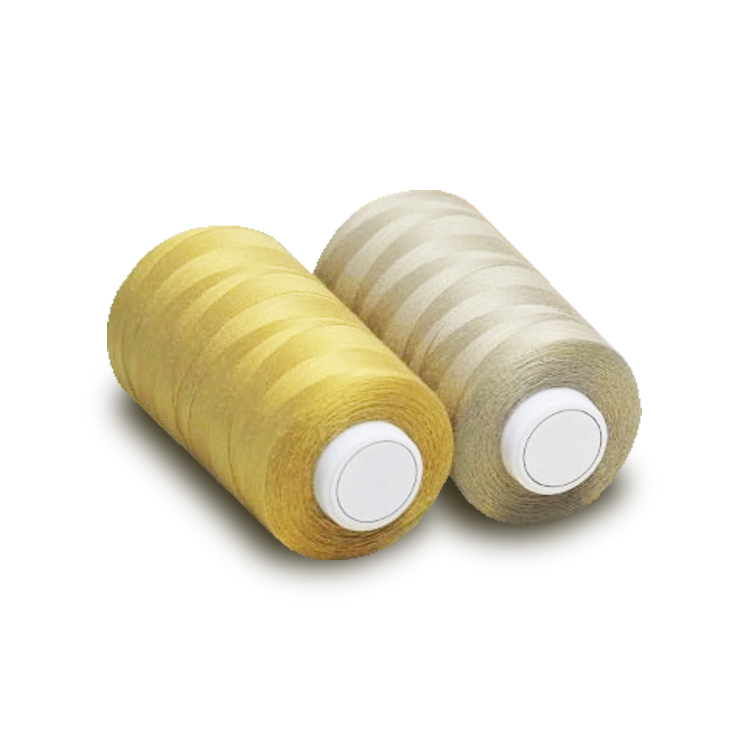


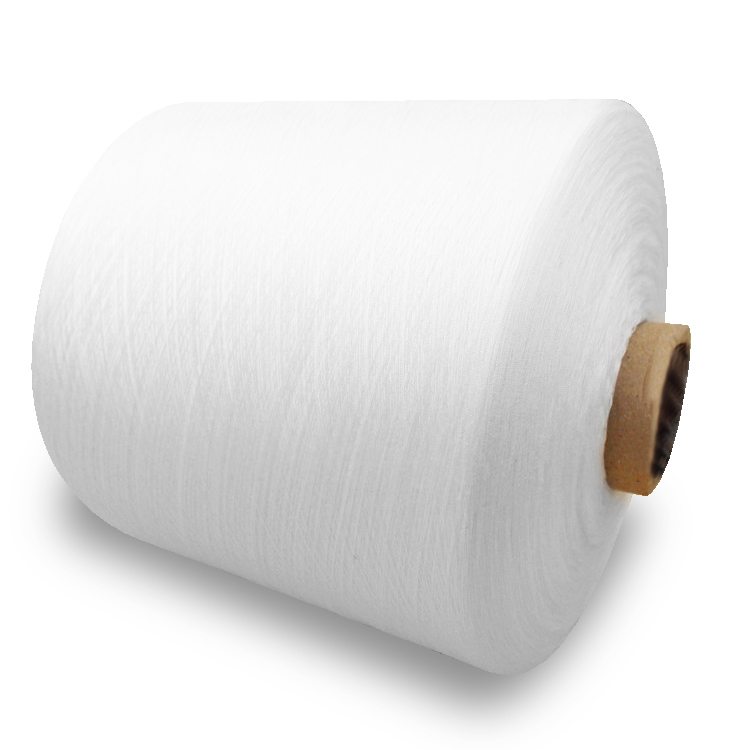
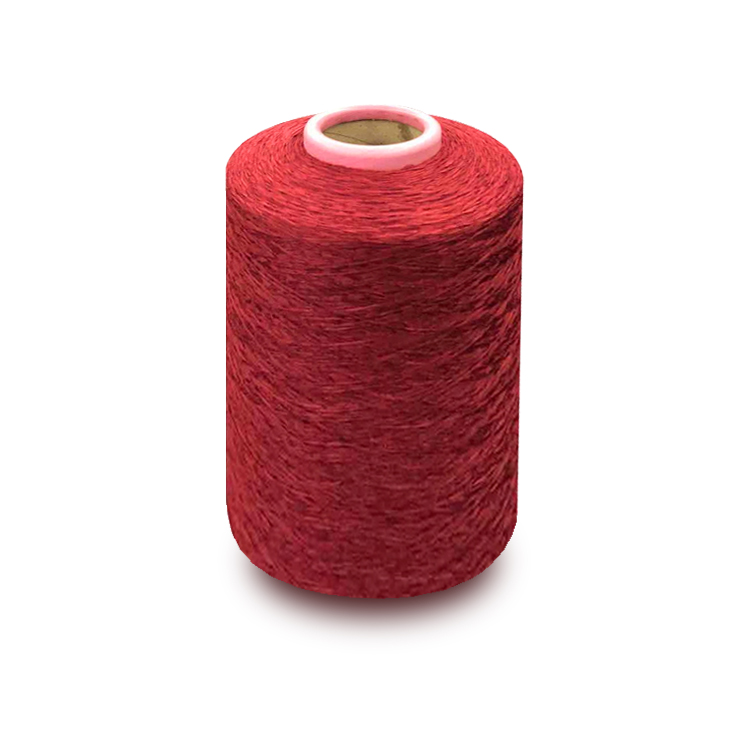
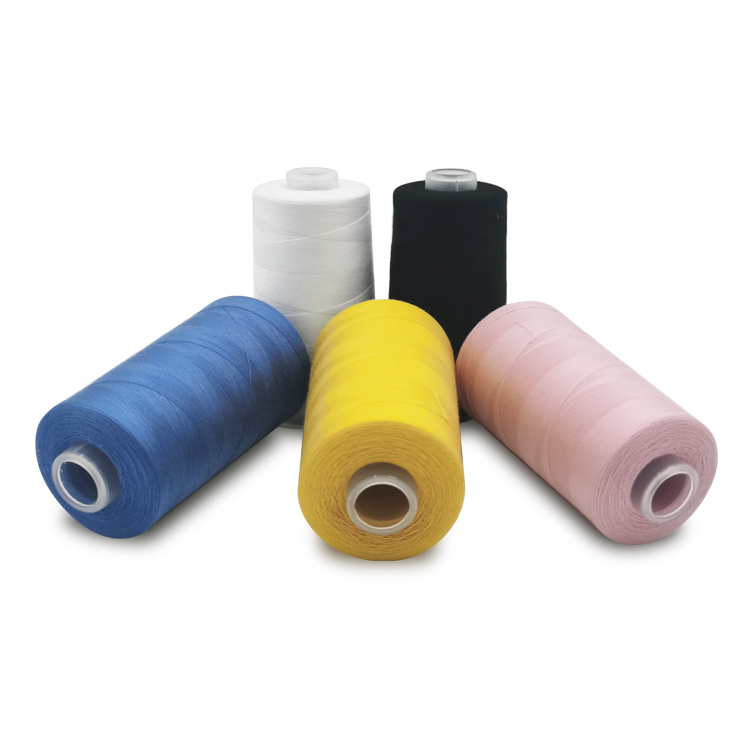
hot selling high tenacity polyester dope dyed yarn
LQ-0412
Price: From $0.66
Delivery time: 9-20 days after payment
MOQ: 500KG
hot selling high tenacity polyester dope dyed yarn
Printing and dyeing factory should not be ignored! The influence of dyeing and finishing water on production!
Water for dyeing and finishing
In the current dyeing and finishing process, water is the most ideal solvent and carrier for dyes and auxiliaries, and is an essential production resource.
From desizing, scouring, bleaching, mercerizing to dyeing, printing, finishing and boiler steam supply, a large amount of water is consumed. Roughly estimated, the average water consumption per 1000m of printed and dyed cloth is about 20t, of which the water consumption for scouring and bleaching accounts for more than half. The quality of water directly affects the quality of processed products, boiler efficiency and consumption of dyes, chemicals and auxiliaries. Therefore, most of the water used in dyeing and finishing must meet certain water quality requirements.
Water source and water quality

1. Water source
The surface water and groundwater are the natural water which can be used in large quantity and stably. Surface water mainly refers to rivers, rivers, lakes, etc. the water carries some organic and inorganic substances, and its impurity content varies greatly with the change of climate, rainfall and geological environment. The suspended impurity content in surface water is higher, while the mineral content is less, so the treatment of water quality is relatively easy. Groundwater mainly refers to spring water and well water, which is formed by rainwater infiltration into the ground through soil and rock strata. Due to the filtration effect of soil, groundwater contains little suspended impurities, but contains a certain amount of carbonate and other minerals, so it is difficult to treat the water quality. Tap water is natural water after processing.
2. Hardness of water
The hardness of water is the main monitoring index of dyeing and finishing water, which mainly indicates the content of calcium, magnesium and other salt impurities in water. The higher the content of salt impurities, the higher the hardness of water. Natural water is generally divided into temporary hardness and secondary hardness, the sum of the two is called total hardness.
(1) Temporary hardness: after boiling, impurities in water can be precipitated in the form of precipitation. This kind of water is called temporary hard water, and its hardness is called temporary hardness. The impurities that can form temporary hardness are mostly acid carbonate of calcium and magnesium ions, which can decompose into insoluble carbonate when heated
Ca(HCO3)2≜CaCO3↓+CO2↑+H2O
The resulting carbonate precipitates can be separated and removed from the water, thus reducing the hardness of the water.
(2) Permanent hardness: can not use boiling method, but must be treated by chemical treatment, can remove impurities in the water, called permanent hard water, its hardness is called permanent hardness. Impurities that can form permanent hardness are mostly calcium, magnesium sulfate, chloride, etc., which can be removed from water by chemical methods, such as
CaSo4+Na2 C03→Caco3↓+Na2SO4
Generally, the hardness of surface water is smaller than that of groundwater.
3. Water quality index
In addition to colorless, odorless, transparent and pH = 6.5 ~ 7.4, the dyeing and finishing water shall also meet the following indexes, as shown in table 2-2.
It should be pointed out that due to the large water consumption in the printing and dyeing plant, it is difficult to use animal husbandry water in the study and exchange of printing and dyeing. Therefore, water of different quality can be used according to the different requirements of production and processing. For example: in the preparation of dyeing solution and soaping solution, soft water below 18mg / l should be used; when preparing scouring solution and bleaching solution, soft water below 50mg / l can be used; and for washing water, the hardness can be appropriately higher. At present, some printing and dyeing plants start to use the treated wastewater (also called backwater) from the perspective of water saving, energy saving and environmental protection. However, the quality of the returned water directly affects the dyeing and finishing quality. Therefore, it is necessary to strengthen the wastewater treatment to ensure the quality of the recycled and water dyeing and finishing products.
4. The harm of impurities in water to dyeing and finishing
Dyeing and finishing process requires high water quality. The quality of water often restricts the normal operation of the production process. If the water that does not meet the requirements is used for production and processing, it will bring many serious hazards to the dyeing and finishing process, such as:
(1) The white variety is not white or the whiteness is not durable, and the color light of the colored variety is not pure, fresh and the color fastness is reduced.
(2) Water containing calcium and magnesium ions can combine with soap or some dyestuffs to form precipitates or flocs, which not only increases the consumption of soap or dyestuffs, but also has adverse effects on the handle and color of fabrics because the precipitates and flocs formed will deposit on the fabric surface.
(3) The water containing iron salt (manganese salt) will make the fabric surface yellow and even produce rust spots. Iron salt can also catalyze the decomposition of hydrogen peroxide, affect the effect of oxygen bleaching, and embrittle natural fiber and regenerated fiber, and even make the fabric have holes.
4) Water containing calcium, magnesium and other metal ions can form precipitates with some dyes, resulting in the filtration dyeing process can not be carried out smoothly (such as cheese dyeing, warp dyeing, etc.).
(5) The water containing too much chloride will affect the whiteness of the fabric, and the organic impurities in the water will also affect the dyeing uniformity.
(6) If hard water is used in the scouring process, the water absorption of the fabric after scouring will be significantly reduced.
In short, the use of unqualified water for dyeing and finishing not only directly affects the quality of processed products, but also significantly increases the consumption of dyestuffs and chemicals, prolongs the production and processing cycle, resulting in the increase of production and processing costs in varying degrees.
Water quality has a great influence on polyester yarn dyeing, so it is necessary to control water quality before dyeing to reduce unnecessary problems.