

|
Share to:
Related Products

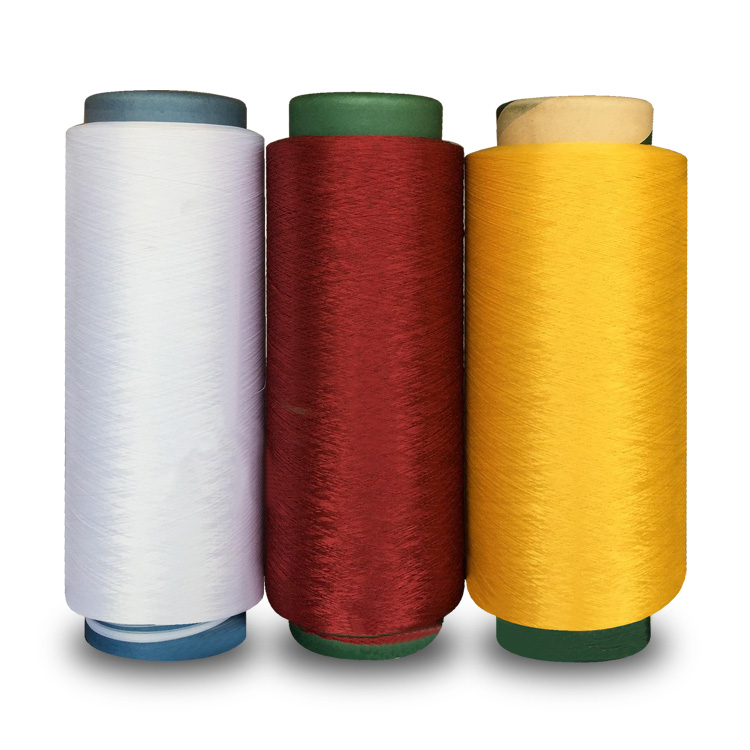
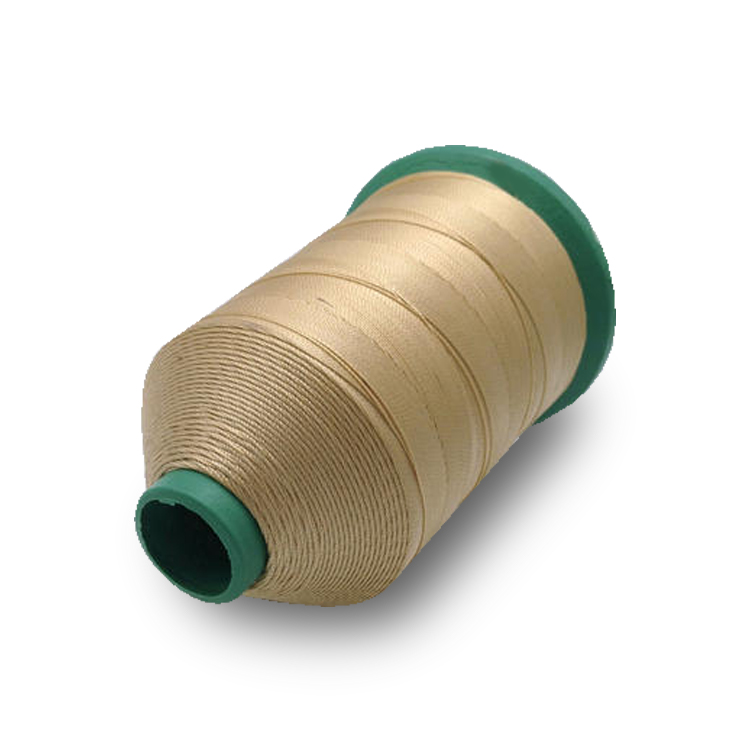


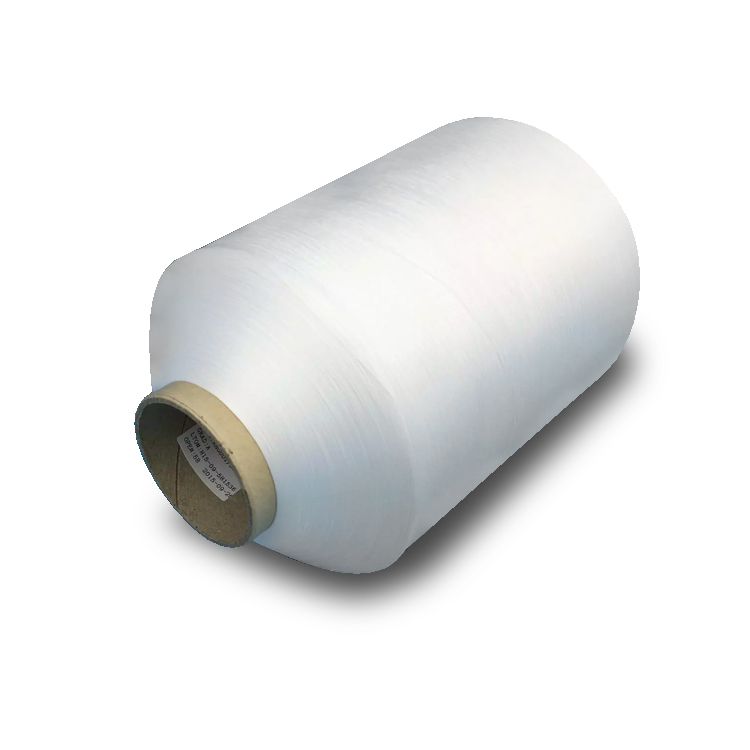
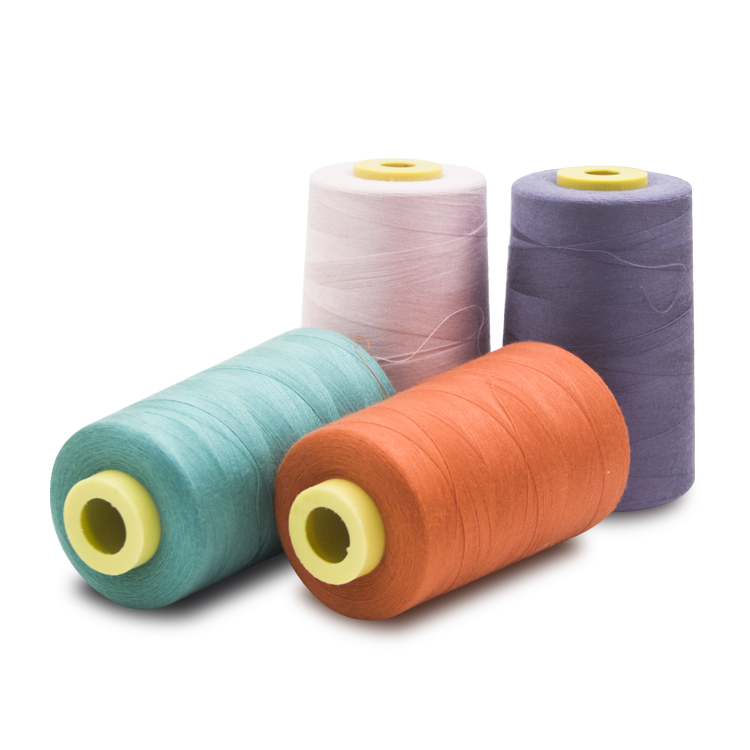
50/2 high tenacity polyester yarn for sewing
LQ-0412
Price: From $0.66
Delivery time: 9-20 days after payment
MOQ: 500KG
50/2 high tenacity polyester yarn for sewing
Brief introduction of dyes for cotton fabric dyeing
The dyes used in cotton fabric dyeing mainly include direct dyes, reactive dyes, vat dyes, soluble vat dyes, insoluble azo dyes, sulfide dyes, etc. Printing dyes mainly include reactive dyes, insoluble azo dyes, stable insoluble azo dyes, vat dyes, soluble vat dyes and printing pigments. Viscose fibers of the same kind as cotton fibers can also be dyed and printed with the above dyes. However, because viscose fiber is a regenerated cellulose fiber with loose structure, it is not resistant to alkali and sensitive to acid compared with cotton fiber. Therefore, when dyeing with this kind of dyes, there should be some differences in process. The following is a brief introduction to the dyeing and printing properties of common dyes for cotton fabrics.
【1】 Direct Dyestuffs direct dyes are soluble in water and can be directly dyed on cotton fibers in neutral or weak alkaline solutions. The addition of neutral electrolytes such as salt can increase the amount of impurities on the dye. The direct dye chromatography is complete, the dyeing method is simple, and the price is relatively cheap. It was once the main beam material of cotton fabric. However, this kind of dyestuff is not good enough and needs fixing treatment in post-treatment.
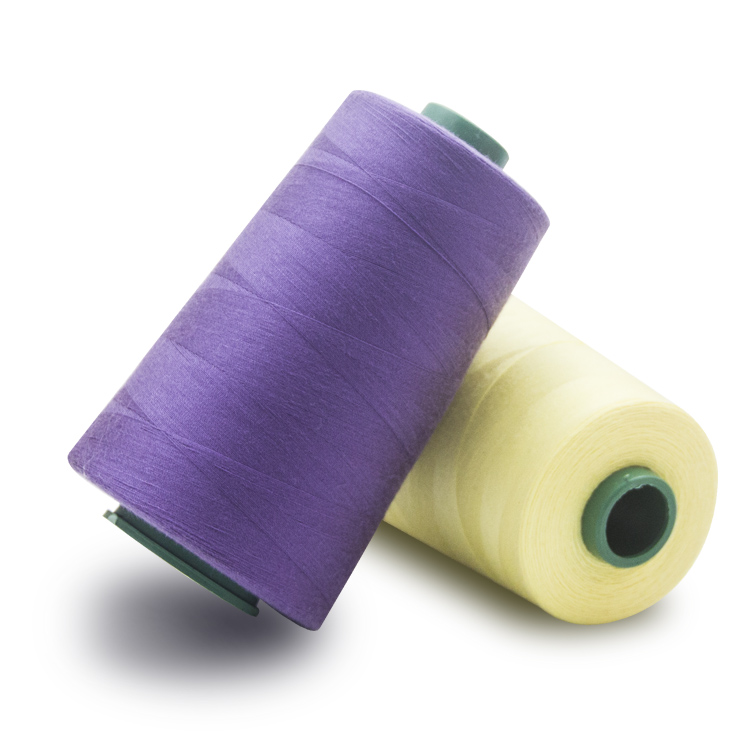
【2】 Reactive dyes reactive dyes refer to soluble dyes containing reactive groups. Under appropriate conditions, it can combine with cellulose fiber and protein fiber, and greatly improve the color fastness to washing and soaping. At the same time, it also has the advantages of simple dyeing and printing, bright color, complete chromatography and low price. However, the fixation rate of general reactive dyes is not high, and it is easy to hydrolyze in alkaline solution, resulting in floating color. Therefore, the method of dyeing first and then fixing is adopted to improve the fixation rate of dyes. For printing, one-phase printing or two-phase printing should be selected according to the variety of dyes. Some reactive dyes have poor color fastness to chlorine bleaching and climate.
【3】 Vat dyes are insoluble in water and cannot be dyed directly. It needs to be reduced to Cryptochrome in the alkaline strong reducing solution of caustic soda and sodium hydrosulfite. The cotton fiber is dyed with cryptochrome and then oxidized to insoluble dye and fixed on the fiber. The color spectrum of vat dyes is complete and bright, and the color fastness to sunlight and soaping is good. However, due to the high price, some yellow and orange varieties have photosensitive and brittle effects, so they are limited in application. When dyeing or printing, it is necessary to strengthen the soaping after treatment to remove the floating color and improve the brightness.
【4】 Soluble vat dye soluble vat dye is a derivative of vat dye, soluble in water. After dyeing on the fiber, it needs to be oxidized in acid solution to hydrolyze and oxidize the dye, and then recover to insoluble vat dye and dye on the fiber. The dyeing process of soluble vat dyes is relatively simple, the dyeing is more uniform and the color fastness is high. However, this kind of dye is expensive and mainly used for dyeing and printing of light and medium color cotton fabrics.
【5】 Sulfurized dyes are insoluble in water, but can be dissolved in sodium sulfide solution and reduced to cryptochrome. After being absorbed by cotton fiber, the cryptochrome is oxidized to insoluble dye and fixed on the cotton fiber. Sulfurized dyes are mainly used for dyeing cotton fiber dark color products. The washing and sun fastness are good. The dyeing method is simple and the price is cheap. However, the rubbing color fastness is poor and the color is not bright enough. Some dyes (such as sulfur black) will cause fiber embrittlement during storage, so anti embrittlement treatment is needed after dyeing. Yellow and orange sulfur dyes often have photosensitive and brittle effects on fibers.
【6】 Insoluble azo dyestuff insoluble azo dye is composed of two upper dyes, the intermediate primer (tryptophenol) and chromogenic agent (color base). When dyeing, the fabric is first treated with sodium hydroxide solution of tryptophenol, and then the color is developed with diazotization solution of color base. The insoluble azo dye is formed by coupling the tryptophenol and diazo compound of color base, which is fixed on the fabric. Because the color base for diazotization reaction, the need for ice, so insoluble azo dye is also known as ice dye. These dyes are bright in color and have good color fastness to soaping and sunlight, but poor to rubbing and wet rubbing.
【7】 Stable insoluble azo dye stable insoluble azo dye is a mixture of sodium tryptophenol and temporarily stable diazo compound. In general, there is no coupling reaction between them. After printing, the temporarily stable diazo compounds are converted into active diazo compounds, which are coupled with tryptophenol to form deep azo dyes. These dyes are mainly used for printing small patterns.
Polyester yarn dyeing and cotton have similarities and differences.