
|
Share to:
Related Products
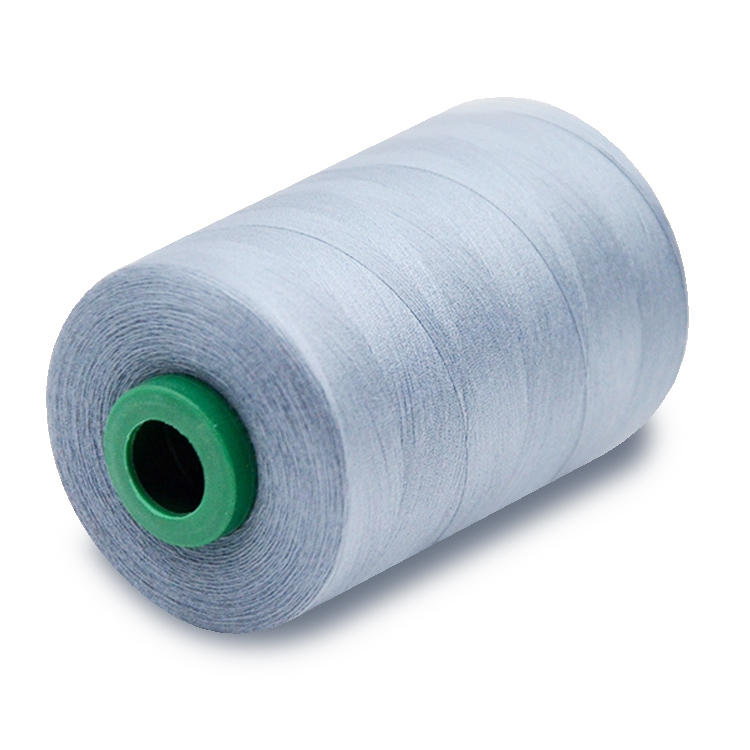
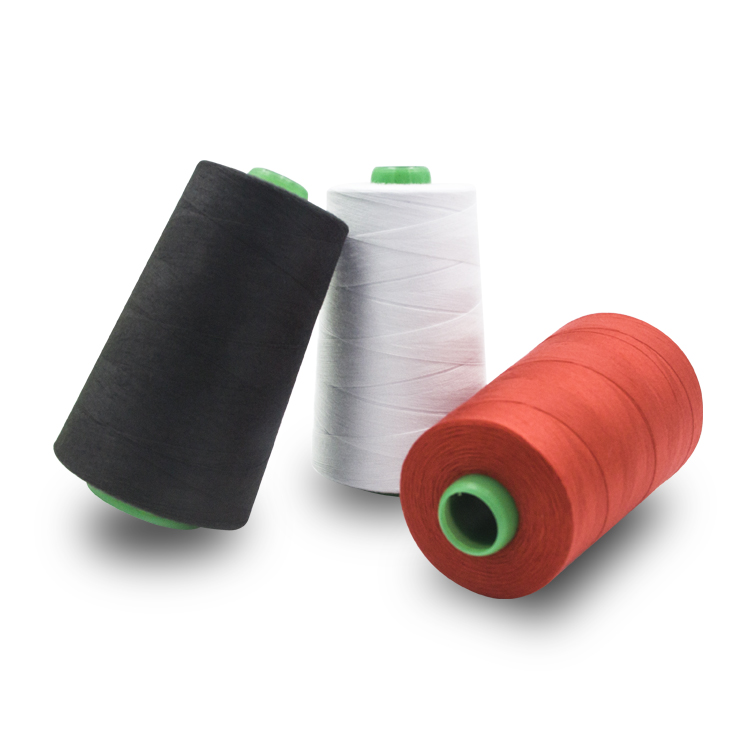

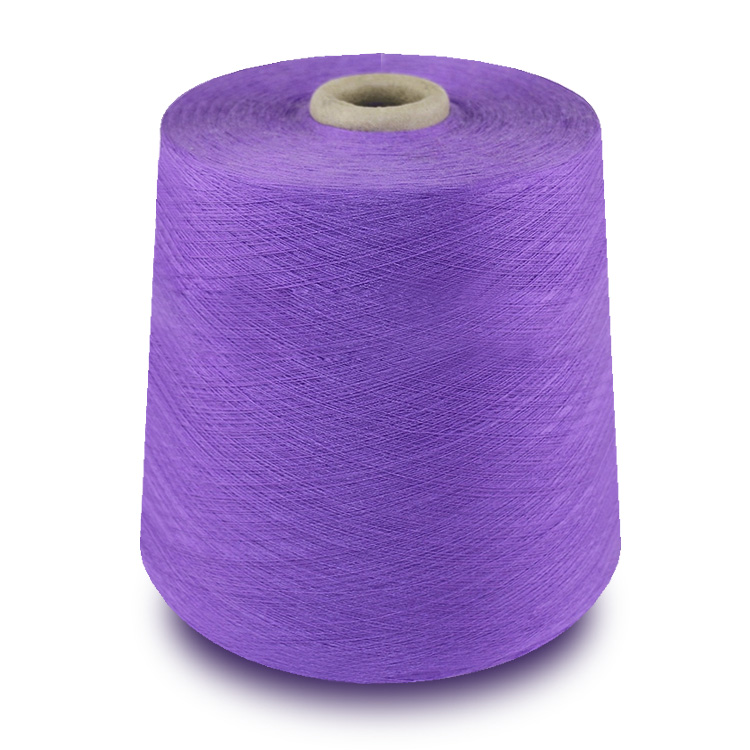

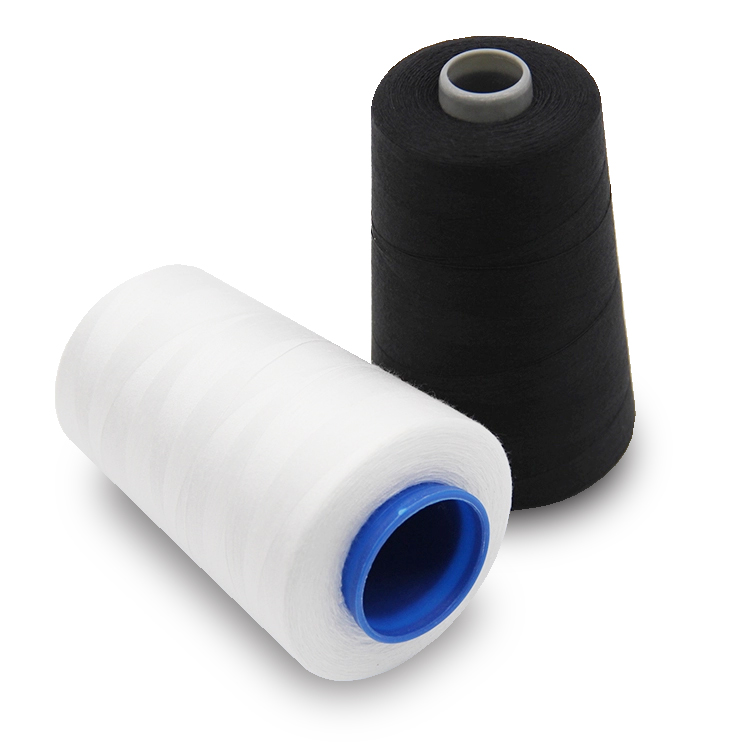
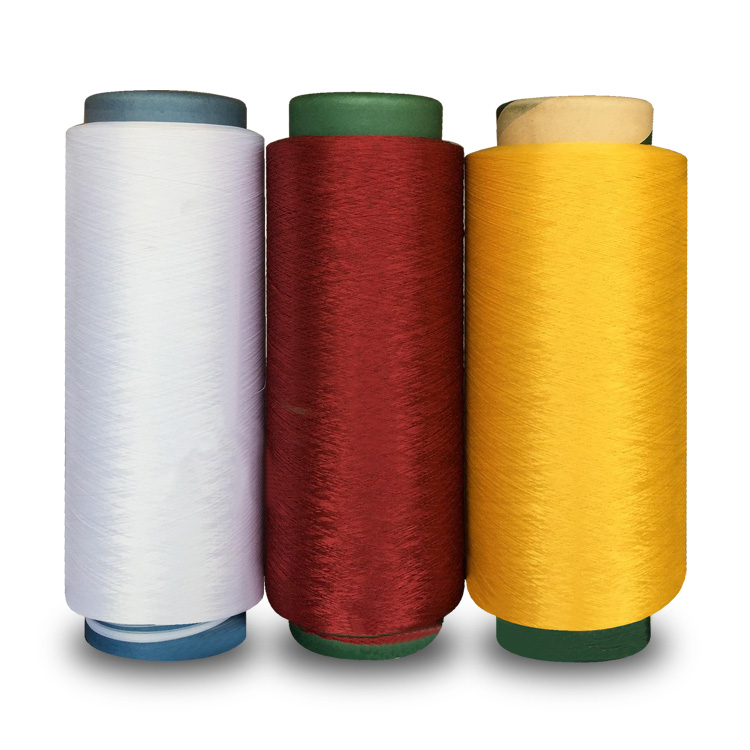
Hot selling Polyester Yarn in Dope Dyed Black From 15D to 300d
LQ-0412
Price: From $0.66
Delivery time: 9-20 days after payment
MOQ: 500KG
Hot selling Polyester Yarn in Dope Dyed Black From 15D to 300d
The factors to be considered in dyeing disperse turquoise blue s-gl
Color change of disperse turquoise blue s-gl dyeing
"Color flower, color difference, color trace" is the most headache for the printing and dyeing factory, which can't be finished every day, especially the natural enemies of dyeing masters! Today, we will introduce the influencing factors of turquoise blue in polyester dyeing in detail. I believe it will be of great help to improve the once OK rate and reduce the repair.
Disperse 60 turquoise blue s-gl is a kind of high temperature dye with macromolecular anthraquinone structure
Factors to be considered in dyeing:
[1] The dyestuffs should be synchronous high temperature type, and the incompatibility of non high temperature dyes in dyeing formula should be avoided as far as possible.
[2] Cymbidium is very sensitive to pH value. The amount of acetic acid should not be less. The pH value should be controlled between 4 ~ 5.5 before dyeing and after dyeing. If necessary, pH sliding agent should be added.
[3] The key factor affecting the dyeing stability of turquoise blue is high temperature leveling agent, which has excellent retarding effect, but the dosage should not be too much, otherwise the color will be lighter and the salt tolerance leveling agent will be better (mainly due to the high salt content of recycled water).
[4] It is easy to add a large amount of chelating agent on the water quality, especially for the color of the dye.
[5] The glass transition temperature of polyester is lower than 70-80 ℃. After 80 ℃, disperse dyes start to dye, and dyeing at 90 ° is faster, and 110 ° is the fastest! At this time, the heating rate of the most easy to flower should be controlled within 1 ℃ / min; at 90 ℃, 110 ℃ and 120 ℃, it is best to keep the temperature for 10 minutes, and raise the dyeing temperature of high temperature s-gl to 135 ℃. It has the best dye migration, uniform dyeing, small color change and good fastness!
[6] Different from other dyes, disperse dyes are prone to sublimation and heat transfer, which affect color fastness and color change. In finishing, the setting temperature should not be too high, and the best temperature is about 160 ℃.
[7] Due to the high molecular weight of domestic single component disperse turquoise blue s-gl, the ordinary disperse leveling agent has dispersive property at medium and low temperature. At high temperature, it may be weak positive due to its cloud point problem. The basic dispersion of dispersion performance will lead to the increase of dye molecular agglomerated particles, the decrease of leveling power, and the generation of color spots. Special leveling agent must be selected. The two-component turquoise blue is recommended for dyes with good levelness Domestic Bge turquoise blue and imported turquoise blue from destar and Huntsman.
[8] The causes of yellowing and darkening were analyzed
The pH value of dyeing is not stable, and the pH value of alkaline substances tends to be medium alkaline with the increase of dyeing temperature.
Reducing substances such as sodium lignosulfonate, formic acid or citric acid in dye liquor have great influence on the color change of turquoise blue, so it is better to add anti dye salt s.
It is suggested to avoid reuse water as far as possible when it is sensitive to brilliant green. When dyeing, the color will be green and dark in case of iron ion, and slightly change in case of copper ion. Its maximum absorption wavelength (λ max) is 670nm. Chelating dispersant is added to reduce the degree of color change.
As far as possible in the range of cloth surface requirements low temperature shaping!