
|
Share to:
Related Products
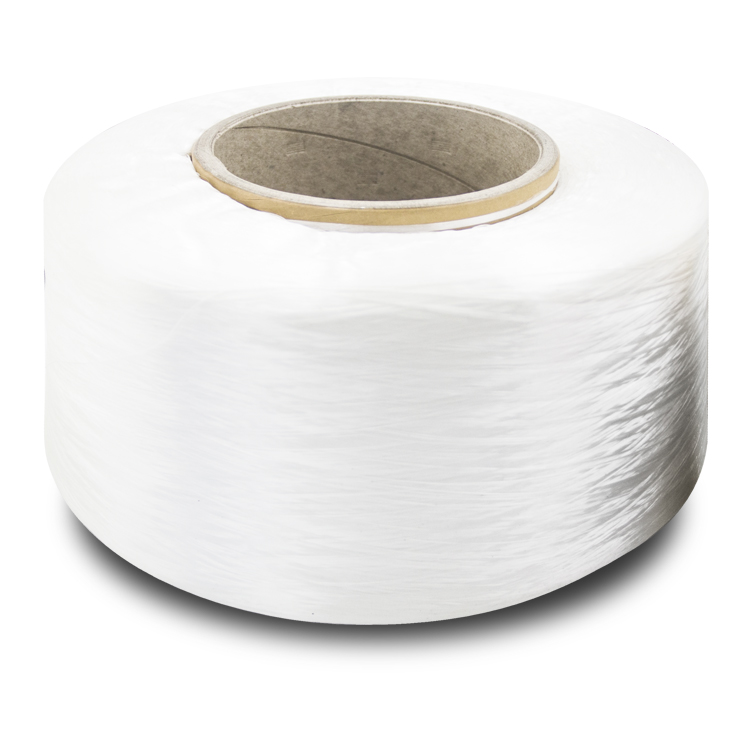
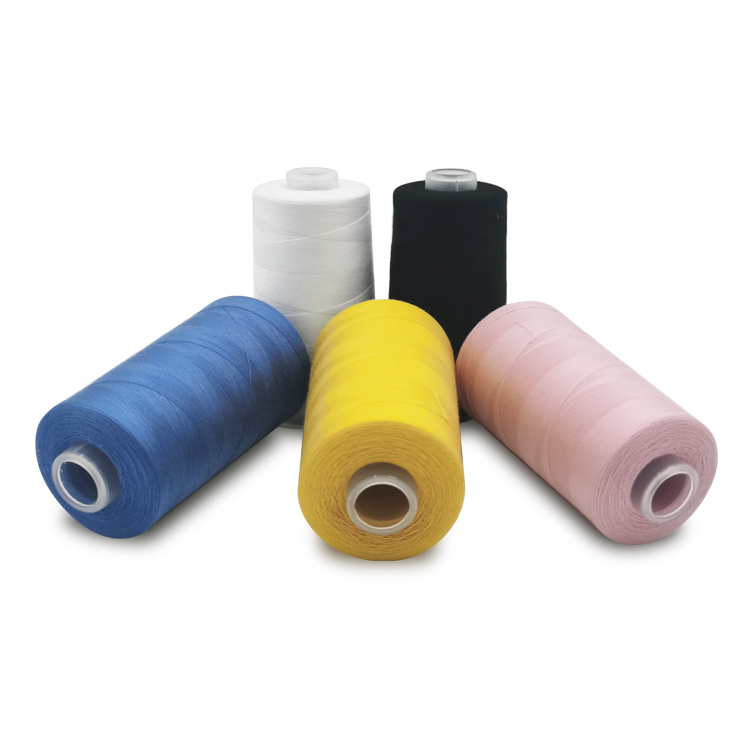
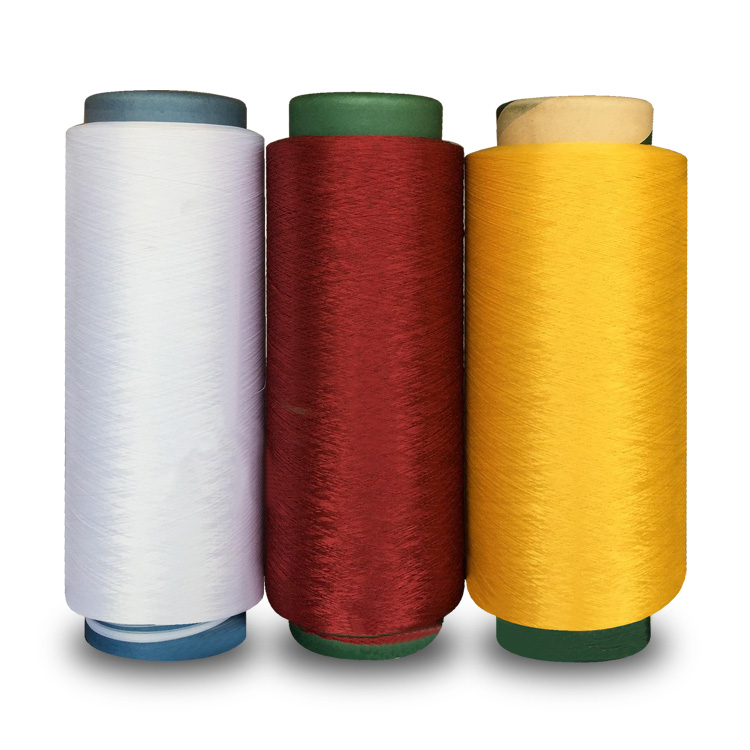


False twisting reliance polyester filament yarn polyester yarn
LQ-0412
Price: From $0.66
Delivery time: 9-20 days after payment
MOQ: 500KG
False twisting reliance polyester filament yarn polyester yarn
Key points of dyeing and finishing of the interwoven fabric of microfiber polyester and spandex
analysis
The dyeing and finishing of the interwoven fabric of superfine fiber polyester and spandex is complex, and it is easy to have a series of processing problems, such as the strength of spandex is easy to be damaged, the elasticity is reduced or even broken; when dyeing the polyester fabric, it is easy to produce color flowers, and there is a problem of staining between polyester and spandex, which is easy to produce poor color fastness, and it is difficult to dye dark color; it is easy to have problems such as wide width, large fluctuation of gram quality, etc. In order to solve the above problems, a reasonable process route is established according to the production practice
Opening and pre forming → degreasing → dyeing → reduction cleaning → dehydration → setting.
1、 Preform shape
Through pre shaping, it overcomes the defect that the fabric is easy to deform due to moisture and heat shrinkage, so as to ensure the relative stability of gram quality and width; it solves the problem of "dead fold" in the dyeing and finishing process; it reduces the strength loss of spandex fiber, but the setting temperature cannot be too high and the time cannot be too long.
2、 Degreasing
Choosing a good degreaser for spandex can not only completely remove the oil on spandex, but also reduce the adsorption of oil on disperse dyes. Generally, anionic or non-ionic deoiling agents with good dispersibility, good emulsification and little influence on the strength of spandex are used to remove the oil on weaving and spinning.
3、 Staining
Pay attention to the following aspects during dyeing:
a. Choosing suitable disperse dyes
Disperse dyes should have good levelness, migration, washing fastness and rubbing fastness, etc. at the same time, the dyes have less staining on spandex. Through practice, the DRD series, ERD series and HRD series of the company are selected.
b. Choose suitable dyeing process
The proper dyeing process includes properly reducing the initial dyeing temperature to control the dyeing rate, strictly controlling the heating and cooling rate, controlling the high temperature holding time to improve the levelness, speeding up the exchange rate between the fabric and the dyeing solution, reducing cleaning after medium dark dyeing to avoid the decline of the dyeing fastness.
c. Choose the right leveler
The addition of leveler makes the dyeing rate of different disperse dyes close, which is very important for color matching and can reduce the color difference. Generally, anionic and non-ionic compound levelling agents with dispersing, levelling and chelating functions are selected.
Dyeing process prescription and conditions:
Dye x%
Softener 1 g / L
Leveler 1%
Chromatin 0.3%
PH 4.5-5.5
Temperature 125 ℃
Time 30 min (light color)
45-60 min (medium and dark)
4、 Reductive cleaning
The effect of removing floating color is good. The light color is cleaned by 80 ℃ reduction and the dark color is cleaned by 95 ℃, and the dark color needs to increase the amount of powder and flake alkali.