

|
Share to:
Related Products
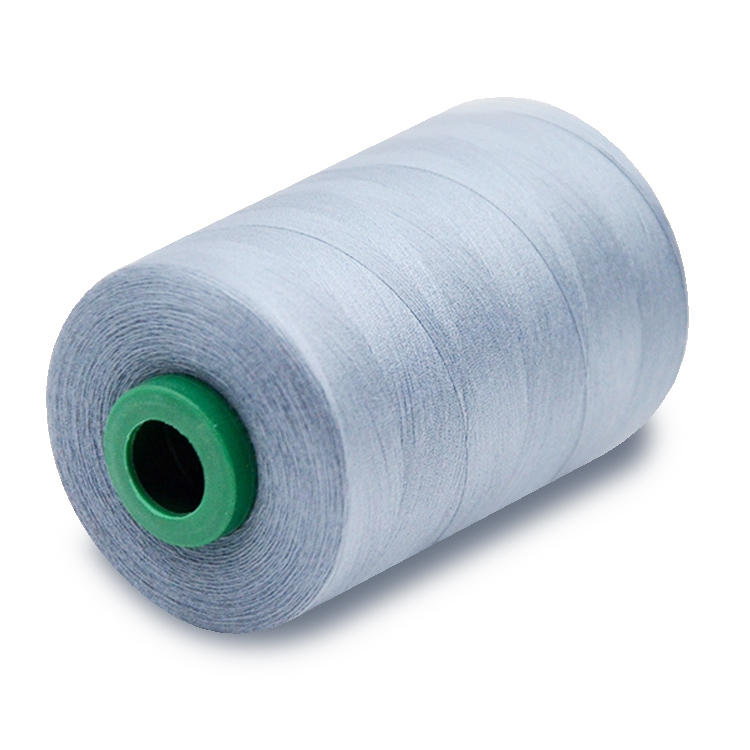
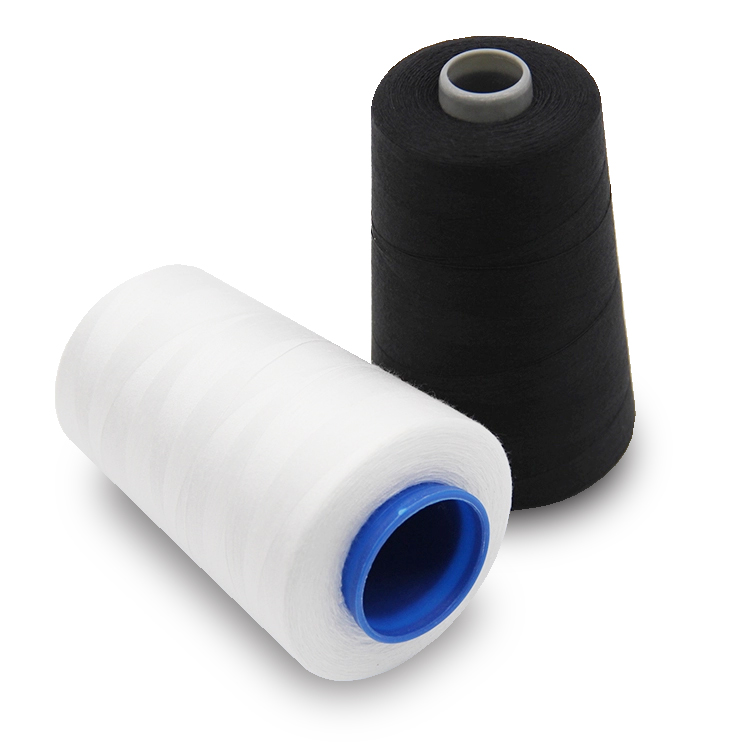
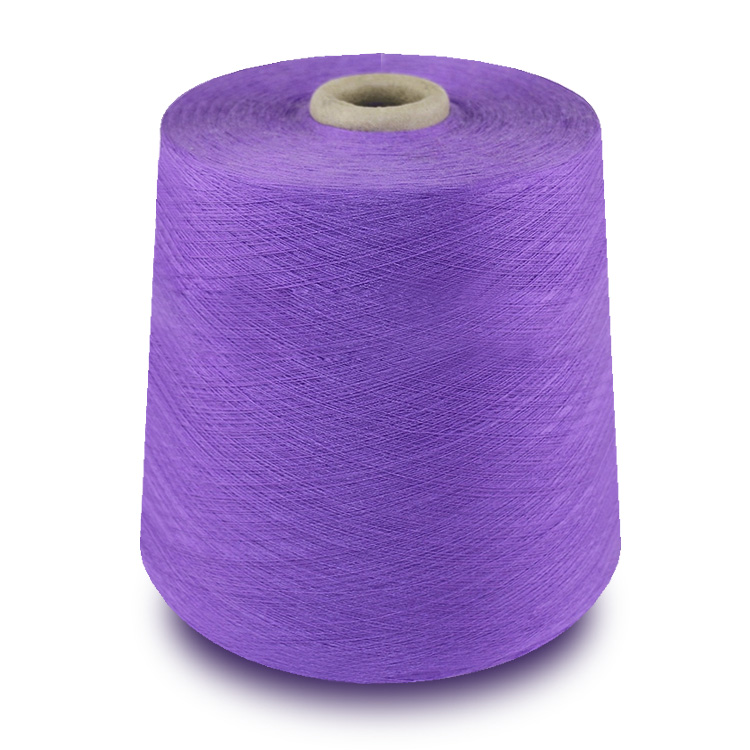


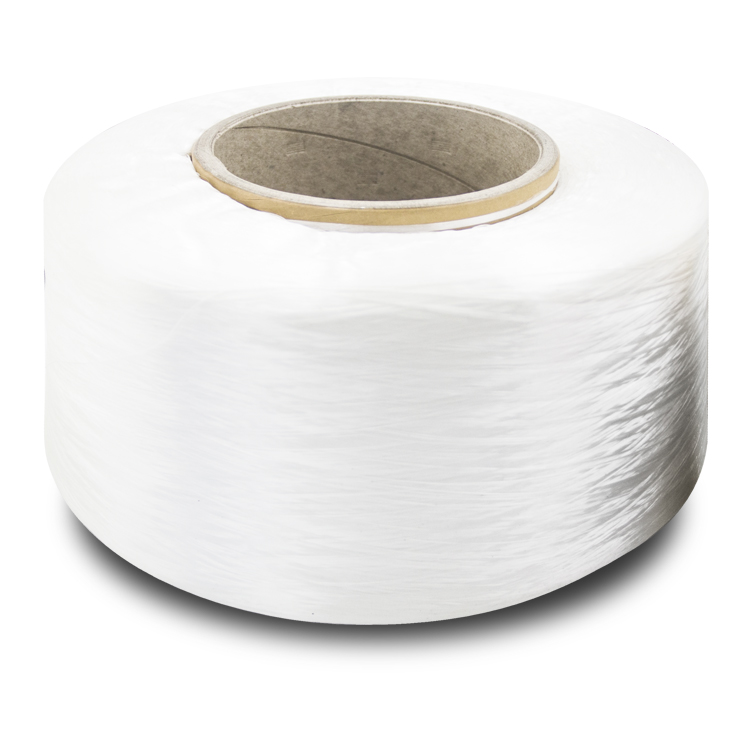
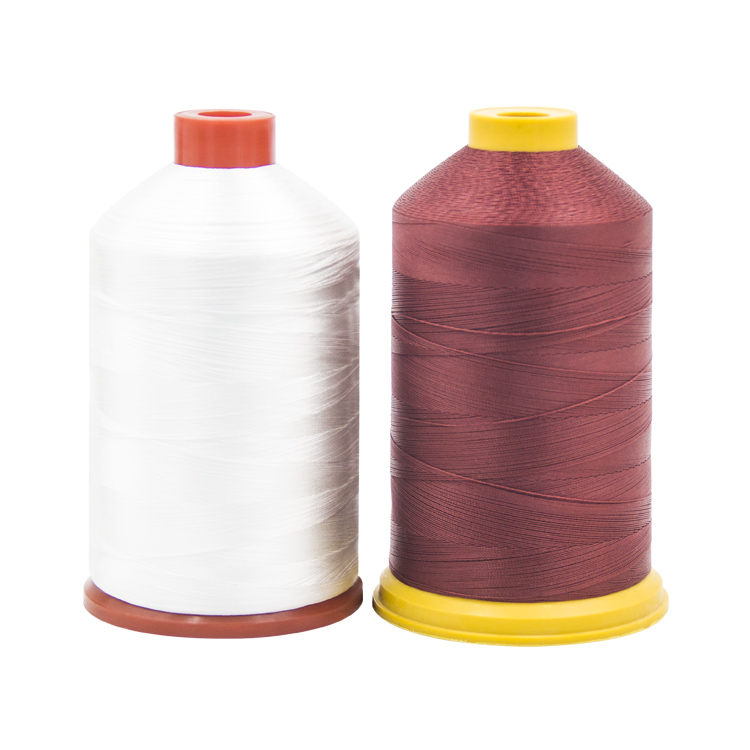
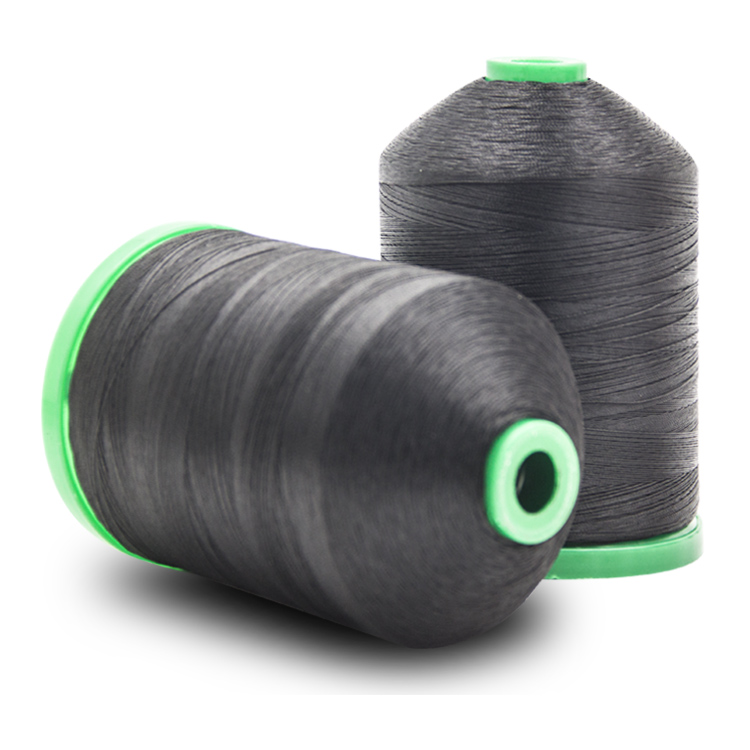
raw white platten dyed 20s 30s 40s 50s 60s High Strength ring spun 100% Spun Polyester Yarn
LQ-0412
Price: From $0.66
Delivery time: 9-20 days after payment
MOQ: 500KG
raw white platten dyed 20s 30s 40s 50s 60s High Strength ring spun 100% Spun Polyester Yarn
Introduction of three cotton blending methods commonly used in spinning
According to the specific data of various physical properties of raw cotton, the cotton is mixed:
In order to control the physical properties of the blended cotton and ensure the stability of the indexes of the received raw cotton, the first step is to establish the indexes of cotton blending (length, fineness, maturity, strength, short fiber rate, etc.) and the allowable range of the indexes. The indexes and differences of raw cotton can be strict and loose. Secondly, we need to consider the raw cotton reserve, which can be large or strict, small or loose, so as to avoid difficulties in implementation. When matching the key varieties of the enterprise, it is necessary to carefully consider and minimize the range of differences, that is to say, the average value of each index in the cotton blending should be controlled within the range, and the indexes of the two batches of cotton before and after substitution should be kept close to each other. At the same time, the simple average value of each index should not be used, but the weighted average value of weight percentage should be used. While for general products, the range of indicators and differences can be broadened, only the average value of the main indicators of cotton blending is required to be within the specified range of differences. Generally speaking, the smaller the difference between the received batches of raw cotton, the better. The difference between various marks in the mixed cotton may be slightly larger. Sometimes, although some properties of raw cotton are different, it does not harm the yarn quality, but improves the quality. For example, in the cotton blending composition with shorter fiber as the main body, or in the cotton blending composition with coarser fiber as the main body, proper matching with thinner fiber is beneficial to improve the evenness and yarn strength. The key is to ensure the consistency of subsequent raw cotton.
2 according to spinning principle and spinning experience, guide cotton blending:
Taking the yarn strength as an example, it is shown that the main indexes affecting the yarn strength in the physical properties of raw cotton are length, fineness, maturity and short pile rate. If the fiber length is long, the contact area between the fibers is large, and there are many binding points between them, so the cohesive force is also large, and the yarn strength increases naturally; if the fiber fineness is fine, the number of fibers in the yarn section increases, and the yarn strength increases automatically; if the fiber is mature, the strength is high, and the yarn strength is also large; as for the short pile, the yarn structure may be caused due to the floating state in the drafting process The unevenness of the yarn causes the weak ring when it bears the tension, and there are many short fibers with poor cohesion, and the chances of slippage increase when it is under tension, so it is not good for the yarn strength. For example, the neps, impurities, hairiness, etc. in the yarn are directly determined by the nature of the raw cotton under the same process. If the short fiber rate of raw cotton is high, then the hairiness in the yarn is large (except for mechanical friction reasons), and the yarn evenness CV value is large; if the raw cotton has large impurities, many defects and poor maturity, then the neps and impurities in the yarn are more. According to the above analysis, after the cotton blending design scheme is established, some suggestions can be put forward for some related processes in production, which can effectively control a certain process in a targeted way, grasp the production initiative in advance, eliminate the potential quality hazards caused by raw cotton before yarn formation, and control and eliminate as early as possible to play the role of prediction and prediction.
3. Comprehensive cotton blending according to the stock of raw cotton:
Generally, the "classification and queuing" is the earlier method of cotton blending design. Although very primitive, but more practical. At present, many cotton mills are still in use. According to the properties of raw cotton and different requirements of various yarns, the raw cotton suitable for spinning a certain number is classified into one category, which is divided into several categories. Queuing is to arrange raw cotton of the same type in a line according to different areas and similar properties, so as to take over the use. It is necessary to consider not only the current but also the future, not only the key varieties, but also the general varieties. Starting from the actual needs and possibilities, it is necessary to cross replace according to the priorities, and the arrangement should be reasonable and appropriate, so that the raw cotton composition used in each variety does not produce obvious changes, so as to maintain the stability of production and yarn quality.
In addition, it must be mentioned that some of the back flowers produced in each process, such as cotton roll, sliver, roving head, leather roller flower, bellows flower, etc., and some of the re used cotton, such as unifying broken seeds, cutting flowers and fine dropping, etc., must be used with a good scale and reasonable use, otherwise, although a little cotton is saved, the yarn quality is damaged, which will not be worth the loss.